

همه چیز درباره ابریشم و بهترین روش چاپ آن
ابریشم یک الیاف طبیعی است که به دلیل درخشش، استحکام و دوام بالا شناخته شده است. همچنین ابریشم به دلیل نرمی و ظاهر زیبایی که دارد جزو کالاهای لاکچری به حساب می آید، از این رو پارچه ای پرطرفدار در عرصه مد است. با وجود استحکام کششی بالا، ابریشم معمولاً به دلایل دیگری مورد توجه قرار می گیرد. در ادامه در مورد مزایای آن و مناسب ترین روش چاپ برای آن صحبت خواهیم کرد…
ابریشم چیست؟
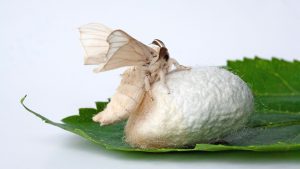
Silk is a natural fiber produced by insects as nests and cocoons. There are many types of insects that produce silk, including silkworms (the most common type of silk), beetles, spiders, oysters, weaver ants, and many others. Silk, which is mainly made of a protein called fibroin, is used as a very special fiber in the textile industry and other industries due to its luster, softness and other characteristics.
History of silk production
The first example of silk cloth comes from China, which was used to wrap the body in children’s tombs. China dominated the silk industry for many years. The Chinese used silk as currency and its cost was measured according to the length of the silk. The Silk Road, which connected the East to the West, was a popular trade route that was named after this material, and that region of the world still retains its name. Eventually, silk production was transferred to Korea, Thailand, India, and Europe. The substance finally made its way to the United States in the 17th century.King James I introduced silk to the colonies, but many of the country’s early settlers could not afford the material. Paterson, New Jersey, Manchester, and Connecticut became centers of silk production in the United States, until trade and production were disrupted by World War II, leading to the development of synthetic fabrics such as nylon. While the silk industry has expanded greatly over the past centuries, the processes used to make this fabric are still largely the same as they were in the ancient world.
8 main uses of silk fabric
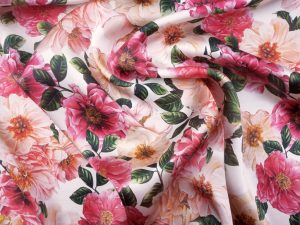
Silk is mainly used in clothing and household items, but it is also used in unexpected ways such as bicycle tires and medicine. Silk is great for summer clothes because of its absorbent nature and the way it absorbs moisture. Here are some examples of the many uses of this material.
1.Bridal and evening dresses: Silk is the main component of many evening dresses, evening dresses and wedding dresses due to its special and beautiful shine.
2.Accessories (tie, scarf, etc.): The strength and subtle differences of this material with color make it ideal for accessories. Many expensive ties are made from silk, which has been used to create special woven patterns, rich colors, and durable materials. Silk is also a great choice for scarves and decorative jewelry used by certain brands.
3.Bedding: Silk sheets are the height of luxury, and the softness and absorbent properties of this item make it really shine in the bedroom.
4.Parachute: Silk was originally used for parachutes because of its strength and elasticity. However, nylon is more commonly used today.
5.Interior accessories: silk is used to cover furniture and pillows and creates a durable cover due to its strength and durability.
6.Wallcoverings: Some decorative wallcoverings are woven from silk because its unique material reacts dynamically with colors.
7.Bicycle tire: This material is sometimes used in the tire body due to its lightness, durability and flexibility. Since silk can be expensive, most brands also use nylon and cotton.
8.Surgical sutures: Silk is a natural material, so it has amazing uses in medicine. This substance does not cause an autoimmune response and can be absorbed by the human body.
Types of silk
While mulberry silk is by far the most widely used variety, there are a few other types of silk that we’ve mentioned:
1. Mulberry silk
Almost all the silk in the world is from mulberry silk, and mulberry silk fabric is also famous for its strength, softness and durability.
2. Ari Silk
Since the production of eri silk fabric does not require the killing of silkworms, this type of silk fabric is called peace silk. While hardly any eri silk is made worldwide, this fabric is heavy and even more durable than mulberry silk. Because the Erie silkworm lives on castor trees, this type of silk is sometimes known as castor silk.
3. Taser silk
After mulberry silk, tasar silk is known as the most widely used silk. This type of wild silk is produced by native silkworms in India and also in Japan.
4. spider silk
Certain types of spider silk have high tensile strength, but spiders cannot be bred like silkworms. Therefore, the production of spider silk is very expensive. Manufacturers use spider silk to make bulletproof vests, microscopes, telescopes, and other industrial products.
5. Moga silk
Moga silk fabric is produced only in the state of Assam in India and Moga silkworm is semi-domesticated. While Moga silk is not widely known in other parts of the world, generations of Assamese have made Moga silk garments for the region’s nobility.
6. Sea silk
A certain type of oyster native to the Mediterranean Sea produces a small amount of silk-like fibers. The inhabitants of Taranto, Italy have domesticated these oysters and this city produces small quantities of marine silk cloth, which is also called “oyster silk”.
7. Quan Silk
A species of silkworm called Pacypasa atus produces koan silk, which is native to certain regions of Greece, Turkey and Italy. These silkworms feed on pine, juniper, and oak trees, and while cowan silk was used in ancient Rome, today the production of cowan silk fabric is limited, and this type of silk is mainly used to reinforce other types of silk fibers.

What is the most suitable method for printing and dyeing silk fabric?
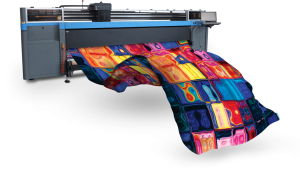
The best way to print silk fabric is reactive digital printing. Because this print makes the silk shine more and because silk is a cellulosic fiber, the reactive color reacts well with the fibers and is placed on it. Another reason that makes this print better than other prints is this. Silk is a delicate fabric and needs special care during printing so as not to damage its texture, therefore reactive digital printing does not damage its fibers, but makes it more durable.
The steps of silk printing in Arachap
1. Design
Customers design or artwork is required to start the process. This process can be digital or it can be manual and then converted to digital format. Designers have many options, including the ability to use a wide range of colors and shades.
2. Steps before printing
Before silk printing, it is necessary to coat the fabric. the right amount of ink) is tested. Too much ink can cause the fabric to lose its crispness, and too little ink may cause the print to lose brightness and color.
3. Printing
After the fabric has gone through the above steps, it is now ready for digital printing. Now the fabric can be passed through the digital inkjet printing machine to print the desired design. Reactive dye is a water-soluble dye that creates a special shine and strength in the fabric. Before printing begins, the ink heads are adjusted to the proper height to create the desired design with vivid, three-dimensional colors.
4. Finish
The last step in this process is completion. After printing, silk is at its most vulnerable stage and needs more care. Silk must be dried with steam so that the ink and fabric fibers stick together. Then it should be washed to remove the remaining ink and excess material. Finally, the silk is dried and ironed.