


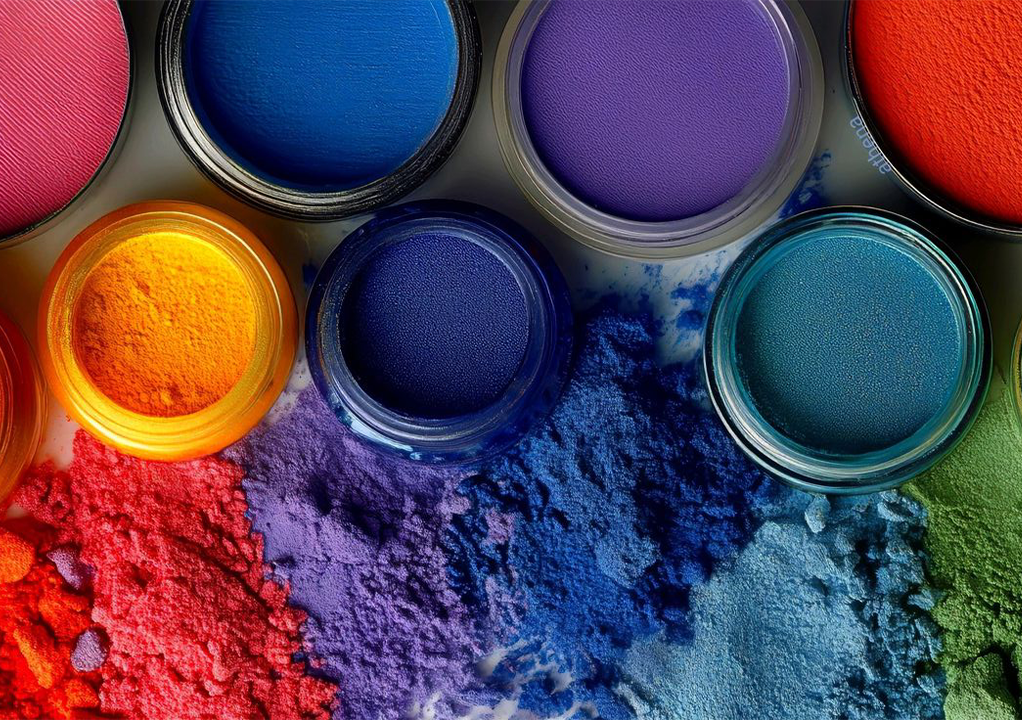
Important Points in Choosing Ink for Textile Printing
When you want to create a design or text on clothing or any other fabric, the first step is to choose the appropriate ink. Selecting the right ink for textile printing depends on various factors such as the type of fabric, the color of the fabric, and the desired design. The ink used for dark fabrics differs from the one used on light-colored fabrics. Choosing the correct ink ensures higher quality and clarity of the print on the fabric. Additionally, the durability of the ink on the fabric—which is very important—depends on the type of ink used. A wide variety of inks suitable for textile printing are available on the market.
What Ink Should Be Used for Marbling Printing on Fabric?
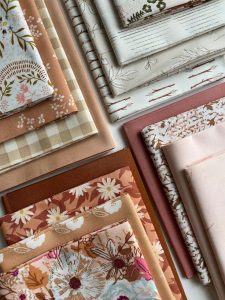
Marbling printing is one of the common methods used to create various patterns on fabric. This printing technique is done manually and is quite easy to perform. To create marbling designs on fabric, acrylic inks should be used. This type of ink is well absorbed by the fabric and has high durability. Additionally, once the work is finished, acrylic ink dries very quickly, preventing the design from smudging. Acrylic inks also come in a wide range of colors, allowing you to create beautiful designs.
An important point to consider when using acrylic inks is that, for better absorption and longer-lasting results, the fabric should first be treated with a fixative solution. After that, acrylic ink can be applied to create the desired design on the fabric.
What Type of Ink Is Suitable for Digital Printing?
Digital printing is one of the most modern methods of fabric printing, where digital printers are used to transfer designs onto textiles. In this method, the digital file is sent directly to the printer, and the design is printed onto the fabric using inkjet technology. It is particularly suitable for printing complex and highly detailed designs. Digital printing is ideal for producing small batches, custom designs, and high-quality products. Thanks to its high precision and decent speed, this method is commonly used for small to medium-scale production.
One of the most important factors that affects the quality and clarity of digital prints is the type of ink used. In digital printing, different types of inks are used depending on the fabric composition. These inks typically consist of three components:
-
Colorant
-
Carrier medium
-
Additives
The carrier can be water, solvent, phase-change liquid, or oil, but water-based carriers are generally more popular due to their environmental benefits and ease of use.
The suitable inks for digital printing based on fabric type are as follows:
-
Reactive inks – suitable for cellulose fibers (e.g., cotton, viscose)
-
Disperse inks – suitable for polyester fabrics
-
Acid inks – suitable for protein fibers (e.g., silk, wool) and nylon
-
Pigment inks – versatile and suitable for all types of textiles
These ink types are chosen to ensure optimal color vibrancy, durability, and compatibility with the fabric being printed.


Color Compatibility in the Printing Process
Generally, the color range you see on a monitor differs in structure from the ink color range used in textile printing. Therefore, before proceeding with the printing process, a color compatibility step must be carried out to ensure that the final image is printed on the fabric with high quality. In fact, this step is crucial in the fabric printing process and plays a key role in determining the quality of the printed image.
The appropriate design file formats for this process are RGB and CMYK.

Important Points About Using Inks for Textile Printing
-
Choosing the Right Ink: Selecting the appropriate ink based on the type of fabric and desired design is very important. For example, reactive inks are suitable for cotton fabrics, while acid inks are suitable for silk fabrics.
-
Attention to Heat: In the printing process with some inks, such as pigment inks, proper heat setting is crucial for fixing the color. Insufficient heating can lead to reduced print quality and color durability.
-
Using Suitable Printing Machines: Inkjet printers are suitable for reactive inks, and printers with heat-setting capabilities are appropriate for pigment inks. Choosing the right machine greatly affects the final print quality.
-
Color Matching: Matching digital colors with printed colors is a vital step that must be done carefully. Using ICC profiles can help in this process to ensure printed colors closely resemble the digital colors.
-
Proper Ink Storage: Printing inks need to be stored under proper conditions. Keeping them at the right temperature and away from direct sunlight helps maintain the quality of the inks.
Reactive Inks
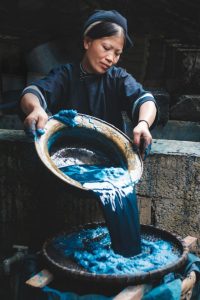
Reactive inks are another type of ink widely used in the industry. They are organic compounds that perform the printing process through covalent bonding. This covalent bond forms between the dye molecules and the fabric fibers, resulting in the transfer of the desired image onto the fabric. This chemical bond is very strong, which is why printing with reactive inks generally offers high quality. Additionally, the colors produced by this process are much more vibrant and lively.
Printing with reactive inks is done using an inkjet printer that directly transfers the design onto the fabric. The printed image created with these inks has high durability and longevity. These inks are mainly used for cotton, linen, and other natural fibers. Due to the strong bond formed between the dye and fabric fibers, reactive inks are highly suitable for producing high-quality, durable products such as luxury clothing and decorative fabrics.

Acid Inks
Acid inks are another commonly used type of ink in printing, composed of sodium salt of sulfonic acid. The dye materials dissolve easily in these inks and form strong ionic bonds with the fabric fibers during the printing process. Acid inks are commonly used for printing on silk, cashmere, angora, wool, and nylon fabrics.
The images printed with acid inks usually have high clarity, quality, and durability, resulting in beautiful and long-lasting prints. Acid inks are mainly used for silk, wool, and nylon fabrics. Due to their ability to produce bright and vibrant colors, these inks are especially suitable for printing on formal wear and decorative fabrics.
Pigment Inks
Pigment inks are a common type of ink used in the printing industry for printing on fabrics and garments. These inks contain color particles that dissolve in a solvent but remain suspended as a dispersion or suspension. When pigment inks are used for fabric printing, the ink is transferred onto the fabric, and the liquid dries, leaving the color particles fixed on the fabric surface to complete the printing process.
In pigment ink printing, both the ink and the liquid carrier are simultaneously applied to the fabric. The color fixation step generally requires heat treatment at temperatures above 150°C. Pigment inks are used for printing on various fabrics such as cotton, linen, and even synthetic textiles. Due to their high resistance to washing and light exposure, pigment inks are highly suitable for printing everyday clothing and fabrics.
Water-Based Inks
Water-based inks are another type of ink that dissolve in dye materials and enable image printing. Generally, water-based inks are combined with water-dispersed dyes, allowing the colorants to easily absorb into the fabric fibers. When exposed to heat, the image is transferred onto the fabric. These inks are commonly used for printing on acetate and polyester fabrics, and the printed images typically have high durability and strength.
Due to their environmental benefits, water-based inks are very suitable for printing on t-shirts, sportswear, and promotional fabrics. Their good absorption into fabric fibers and high stability have made them popular among many manufacturers.

Final Words
As mentioned in this article, there are various methods for printing on fabric, each using a specific type of ink. The choice of ink has a significant impact on the quality and outcome of the print on the fabric. Ultimately, using the appropriate inks and paying attention to important points in the fabric printing process can lead to the production of high-quality and durable products. Familiarity with different types of inks and printing methods can help you select the best option for your printing projects.